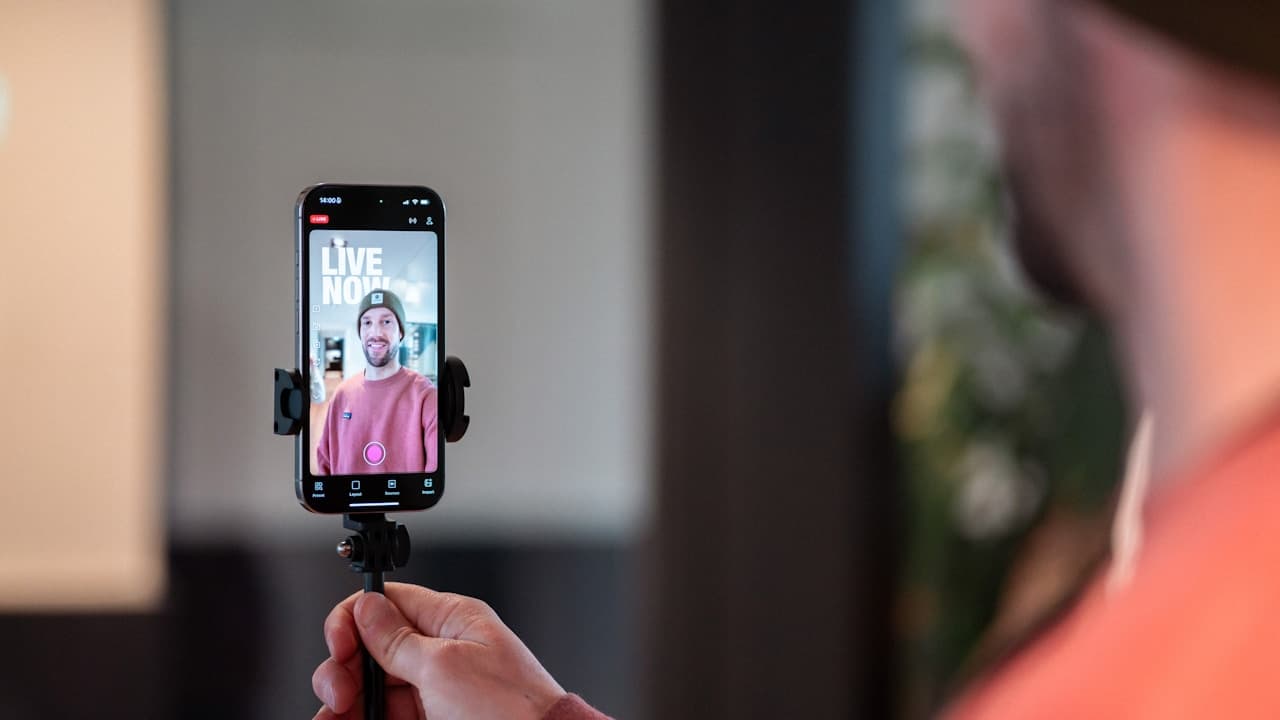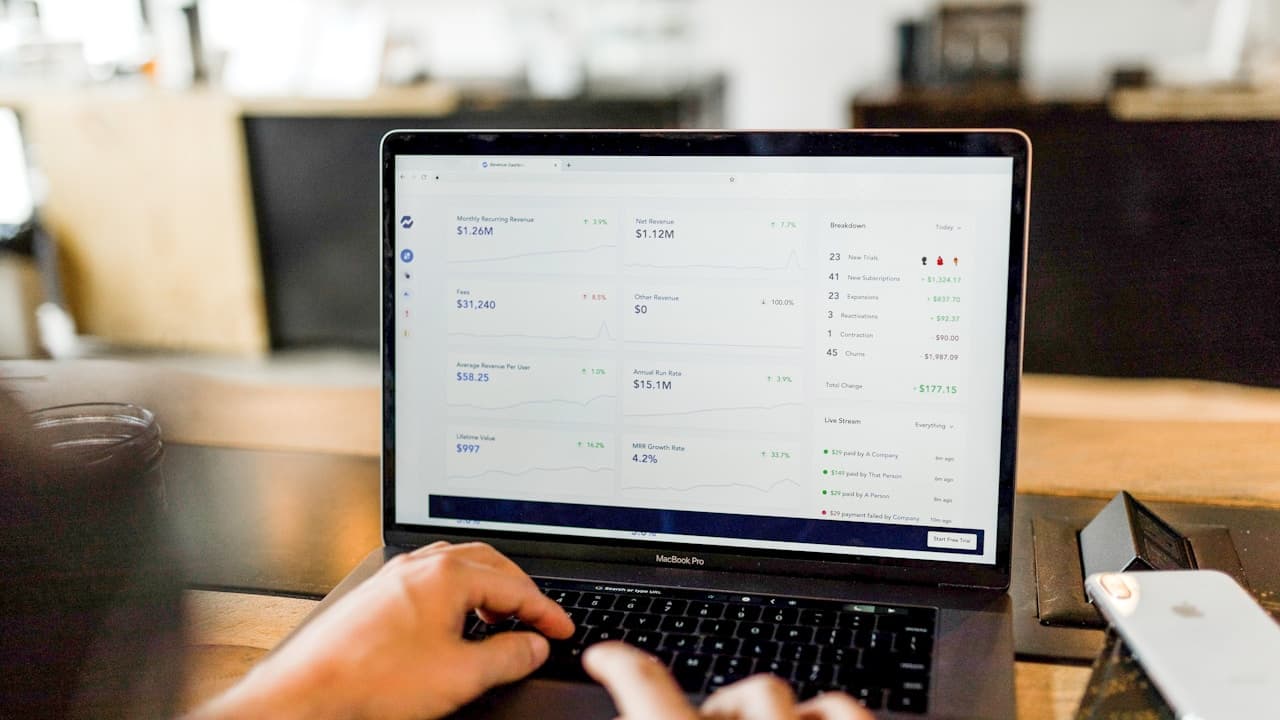
Live commerce already converts at up to roughly 10x the rate of traditional e-commerce, but a livestream is not a magic switch — the gap between a stream that sells and one that stalls comes down to execution. Below are seven tactics backed by industry data and real brand results that consistently lift live commerce sales.
Key takeaways
- Urgency — flash sales and countdowns — is the single most reliable lever.
- Community-native hosts and interactivity convert better than studio polish.
- Weave CTAs throughout, show social proof, keep a cadence, and track attribution.
Table of Contents
- 1. Engineer urgency with flash sales and countdowns
- 2. Pick charismatic, community-native hosts over polish
- 3. Weave CTAs throughout — don't save them for the end
- 4. Make the stream interactive
- 5. Show social proof and demonstrate, don't just describe
- 6. Run a consistent cadence and repurpose every stream
- 7. Measure attribution and double down on winners
- Putting it together
- Sources
1. Engineer urgency with flash sales and countdowns
Time-limited offers are the single most reliable lever in live commerce. Limited-time deals, exclusive live-only discounts, and visible countdown timers tap into fear of missing out and compress the decision window. Industry research cited by commerce strategists indicates urgency-driven promotions resonate with roughly 73% of consumers, with some brands reporting conversion-rate lifts of up to ~42% during live streams and gains of up to ~30% from genuine scarcity tactics (Alexander Jarvis).
Practical moves: run flash sales that exist only during the stream, add an on-screen countdown, and structure "drops" so each session feels like an event.
2. Pick charismatic, community-native hosts over polish
A common misconception is that live commerce requires studio-grade production. eMarketer's 2026 guidance is blunt on this point: charismatic hosts matter more than production quality, and partnering with smaller, authentic creators often outperforms big-name talent. The host's ability to connect, demonstrate, and answer questions in real time is what converts.
If you're selling to U.S. Hispanic or Latin American audiences, "community-native" is literal — bilingual and Spanish-first creators who belong to the audience build trust that a translated general-market host can't.
3. Weave CTAs throughout — don't save them for the end
One of the most common mistakes is treating the call to action like a finale. Shopify's live shopping guidance recommends scripting with "planned spontaneity" and weaving CTAs into moments of peak engagement — right after a product demo, while interest is highest — rather than waiting until viewers have drifted off. Repeat the offer and the how-to-buy steps regularly, since viewers join and leave throughout the stream.
4. Make the stream interactive
Engagement drives sales. Use the platform's built-in tools — polls, quizzes, Q&A, and live chat — to turn passive viewers into participants. A simple tactic: ask viewers to vote on which product you demo next, or run a mini-challenge or giveaway every 10–15 minutes to keep momentum (BigCommerce). Real-time interaction also lets hosts handle objections on the spot, which removes the friction that kills product-page conversions.
5. Show social proof and demonstrate, don't just describe
G2's live selling best practices emphasize storytelling, live demonstration, and social proof — showing reviews, user counts, or "selling fast" signals during the stream. Demonstration is especially powerful: brands that show a product in genuine use convert better than those that simply list features.
The proof is in real results. German beauty retailer Douglas reported a 40% boost in conversion rates after hosting live streams and influencer-led workshops (G2). Tommy Hilfiger's livestream in China drew 14 million viewers and sold 1,300 hoodies in two minutes (G2). Eco-brand Tru Earth's cofounder told Shopify the company saw a 20% increase in conversions during a recent product launch driven by live shopping.
6. Run a consistent cadence and repurpose every stream
One-off streams rarely build a channel. A weekly cadence trains an audience to show up, and each broadcast becomes a bank of reusable shoppable clips that keep selling between live events (Firework). Consistency compounds: data cited in 2026 agency analyses suggests brands streaming several hours of live per week see materially higher returns than video-only strategies.
7. Measure attribution and double down on winners
You can't optimize what you can't measure. Track which creator, video, and session drives each sale, then reallocate budget toward your top performers every cycle. This is the difference between guessing and compounding — and it's why serious operators rank creators by GMV per video and engagement rate rather than follower count. Real-time attribution that feeds directly into payouts removes the manual reporting lag that slows decisions.
Putting it together
The highest-performing live commerce programs stack these tactics: community-native hosts running a consistent weekly cadence, engineered urgency and interactivity within each stream, CTAs woven throughout, social proof on display, and rigorous attribution guiding where to invest next.
WABU builds and runs this full stack for brands — creator sourcing, live production, shoppable content, and real-time attribution — from our Miami hub, including a dedicated Hispanic and LATAM vertical. Book a strategy session to see how it applies to your products.
Sources
- eMarketer — "FAQ on livestream commerce" (2026): https://www.emarketer.com/content/faq-on-livestream-commerce--what-marketers-need-know-about-live-shopping-2026
- Shopify — "Live Shopping: What It Is and Livestream Selling Steps (2026)": https://www.shopify.com/enterprise/blog/live-shopping
- G2 — "Live Commerce in 2026": https://learn.g2.com/live-commerce
- BigCommerce — "How Livestream Ecommerce Drives Engagement & Sales": https://www.bigcommerce.com/articles/ecommerce/livestream-shopping/
- Firework — "How to Use Livestream Shopping to Grow Your Business": https://firework.com/blog/live-stream-shopping-business-guide
- Alexander Jarvis — "Live Stream Shopping Conversion Rate": https://www.alexanderjarvis.com/what-is-live-stream-shopping-conversion-rate-in-ecommerce/
Conversion figures and case studies reflect the cited third-party sources; individual results vary by category and execution.
Frequently asked questions
What's the fastest way to increase live commerce sales?
Engineered urgency — live-only flash sales with visible countdown timers — tends to produce the quickest measurable lift, because it shortens the decision window and triggers FOMO.
Do I need expensive production equipment?
No. eMarketer notes that charismatic hosts matter more than production quality. Clean audio, decent lighting, and a focused, interactive host beat over-produced streams with a weak presenter.
How long should a live shopping stream be?
Long enough to build momentum and cycle through products and offers — many brands run 30–60+ minutes — but plan and rehearse the runtime, and keep CTAs and interactive moments frequent throughout.
How do I know which tactics are working?
Use attribution that ties revenue to specific creators, videos, and sessions, then double down on the highest-GMV performers each cycle rather than judging by views or follower counts.