Beauty is one of the strongest categories on live commerce — visual, demonstrable, and built for the impulse purchase. It rides a fast-growing channel: global TikTok Shop GMV reached roughly $33.2 billion in 2024, with analyst estimates clustering in the $32–40 billion range. For a beauty brand, the question isn't whether to be on live commerce; it's who runs it. This guide covers how to choose the best live commerce agency for a beauty brand in 2026 — and the criteria that separate a real operator from a reseller.
Key takeaways
- Beauty is purpose-built for live. Swatches, application, and before-and-afters demonstrate the product working in real time — far more persuasive than a static listing.
- Demos, not scripts. The best beauty agency runs moderated demonstration-first shows with hosts who genuinely use the category, not generalists reading copy.
- Compliance matters more in beauty. Claims are scrutinized; a real operator keeps hosts to truthful, verifiable benefits.
- Attribution closes the loop. Real-time, creator-level tracking lets you reinvest in the hosts and formats that actually convert.
Why does beauty win on live commerce?
Beauty is almost tailor-made for live shopping. Products are visual, results are immediate, and the format rewards exactly the content beauty audiences already follow. Across the industry, beauty and cosmetics are consistently reported among the top-performing live-commerce categories — for a few simple reasons:
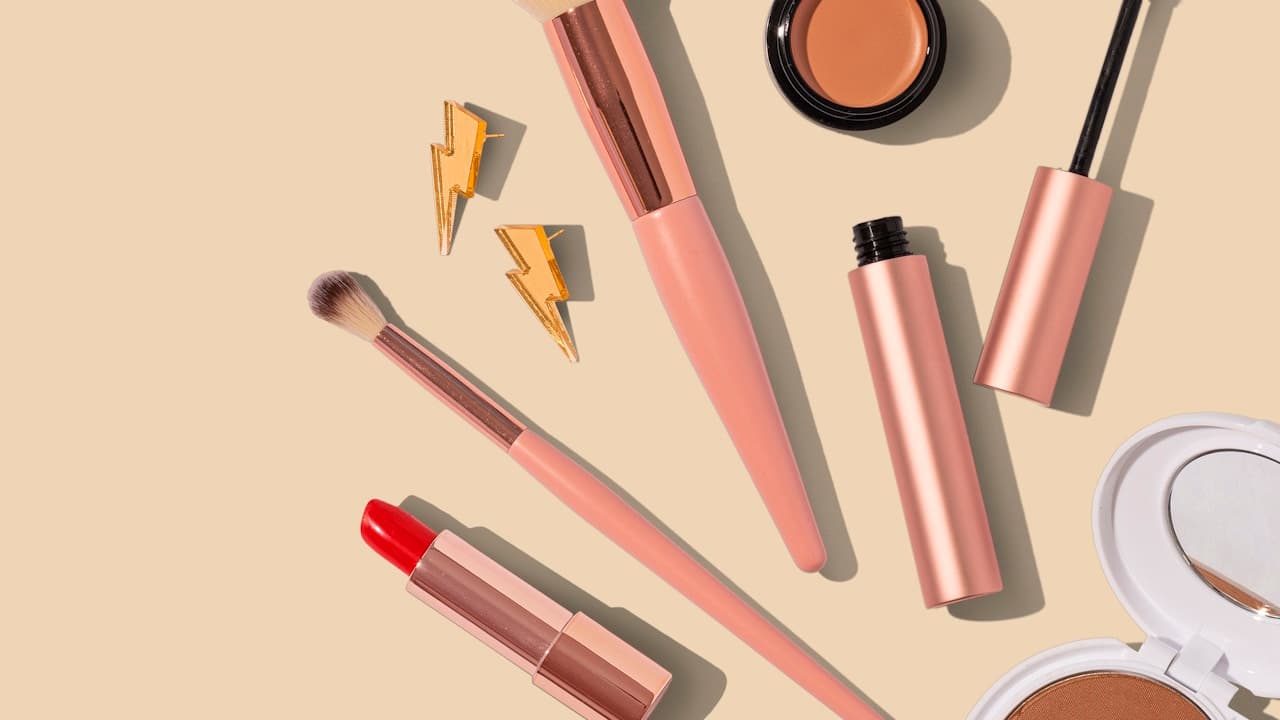
- Demonstration sells. Swatches, application, before-and-afters, and "get ready with me" segments show the product working on a real face in real time. A foundation blending into skin or a lipstick swatched across the back of a hand answers the buyer's biggest question — "what will this actually look like on me?" — in a way no product page can.
- Shade matching happens live. Color is the hardest part of selling beauty online. A host who can hold three foundation shades up to the camera, talk through undertones, and respond when a viewer asks "which one for olive skin?" collapses the uncertainty that drives returns and abandoned carts.
- Trust through creators. Beauty buyers lean heavily on creator recommendation and real skin, hair, and complexion results. A credible host answering "will this work on textured hair?" or "is this fragrance-free?" live removes the doubt that kills conversion on a static listing.
- Impulse-friendly price points. Most beauty SKUs sit in the range where people buy on the spot — low enough to try, high enough to matter.
If you're new to the format, start with what live commerce is and the broader live shopping best practices. The same demonstration logic that powers beauty also drives the fashion category — try-ons and fit instead of swatches and shade.
What does a beauty live show actually involve?
A good beauty live stream looks effortless and is anything but. Behind a single hour of selling sits a stack of operational work:
- Demo-first production. The show is built around the product doing something on camera — a tutorial, a full-face application, a side-by-side before-and-after. Lighting and camera framing are set up so skin tones read true, not washed out. A misjudged ring light can make a shade look wrong and sink a segment.
- Shade and skin-type fluency. The host needs working knowledge of undertones, finishes, ingredient sensitivities, and how the product behaves on different skin and hair types. This is why a generalist creator reading talking points underperforms a host who genuinely uses the category.
- Hygiene and sampling. Beauty is intimate. On-camera application has to be clean — disposable applicators, fresh swatches, sanitized tools — both for the demo to look right and to model good practice. Off-camera, the brand has to get product samples into hosts' hands before the show, which is usually the slowest part of standing a program up.
- Live moderation and honest Q&A. A moderator surfaces real questions — "does it oxidize?", "cruelty-free?", "good for sensitive skin?" — and the host answers truthfully in the moment. That candor is the conversion engine; it's also where untrained hosts wander into unsupported claims.
- Claims compliance. Beauty marketing is heavily scrutinized. Anti-aging, "clinically proven," and medical-adjacent language carry real risk. A serious agency briefs hosts to stick to truthful, verifiable benefits and keeps a lid on the unsupported claims that draw regulatory and platform attention.
The brands that win treat each of these as a repeatable system, not a one-off event. For the make-or-buy decision behind that system, see in-house vs. agency for TikTok Shop.
What should a beauty brand look for in an agency?
The fundamentals of choosing a live commerce agency all apply, but beauty raises the bar on a few:
- A creator roster with real beauty fit. Ask to see hosts who actually use and understand your sub-category — skincare, color, hair, fragrance — not a general roster repurposed for the night. Agency creator networks vary widely in size and specialization; published rosters range from dozens to 3,000+ creators, so depth in your specific category matters more than headline count.
- Demonstration-first production. Moderated streams, application demos, and honest Q&A — not a creator reading a script. Ask to watch a recorded show before you sign.
- Compliance discipline. The agency should keep hosts to verifiable benefits and steer clear of unsupported medical or anti-aging claims. This is a beauty-specific risk most generalist resellers underweight.
- Attribution that feeds payouts. Real-time, creator-level tracking so you can see which hosts and formats convert, pay accordingly, and double down. Without it, you're guessing.
- A consistent cadence. One viral show is luck; a weekly rhythm is a channel. The agency should run a repeatable schedule, not a single launch event.
The data behind the channel
The macro picture favors beauty brands that move now. TikTok Shop's global GMV reached roughly $33.2 billion in 2024 — and social commerce keeps expanding as creators and platforms power more shopping into 2026. Beauty consistently sits among the leading live-commerce categories within that growth, because the product format and the channel format are a near-perfect match.
The implication is operational, not theoretical: a structured program — a beauty-fit creator pipeline, demo-first production, real-time attribution, and a consistent weekly cadence — is what turns a side experiment into a top channel. The brands that treat live as a system, not a stunt, are the ones compounding.
How WABU fits
WABU runs the full live commerce operation for beauty brands — creator sourcing, moderated live selling, shoppable content, payouts, and real-time creator-level attribution. Operating from a Miami hub, WABU is listed among the leading 2026 TikTok Shop agencies and includes a dedicated Hispanic and Latin American vertical for brands targeting U.S. Hispanic and cross-border audiences. To see what it could look like for your brand, book a strategy session.
TikTok Shop GMV figures reflect 2024 industry estimates; category strength and individual results vary by brand, product, and execution.
Frequently asked questions
Why is beauty so strong on live commerce?
Beauty is visual, demonstrable, and impulse-friendly. Swatches, application demos, shade matching, and real before-and-afters convert far better than a static listing, and beauty buyers lean heavily on creator recommendation — exactly what live commerce delivers. Beauty is consistently reported among the top live-commerce categories as TikTok Shop's global GMV reached roughly $33.2 billion in 2024.
What should a beauty brand look for in a live commerce agency?
A creator roster with genuine beauty fit in your sub-category (skincare, color, hair), demonstration-first moderated production, strict claims compliance, real-time creator-level attribution that feeds payouts, and a consistent weekly cadence. The general agency-vetting criteria apply, but beauty raises the bar on creator authenticity and compliance.
What does a beauty live show actually involve?
Demo-first production with lighting set so skin tones read true, a host fluent in shades and skin types, clean on-camera application with fresh applicators and tools, pre-show sampling to creators, live moderation that surfaces honest Q&A, and claims compliance that keeps hosts to truthful, verifiable benefits. The slowest part to stand up is usually operations — creator sourcing and sampling — not the stream itself.