Top Whatnot Live Selling Strategies That Actually Work (2026)
Whatnot's feed ranks shows on watch time and orders — and on how well you ship. These seven strategies, built from Whatnot's own seller guidance, cover scheduling, auctions, giveaways, raids and repeat buyers.
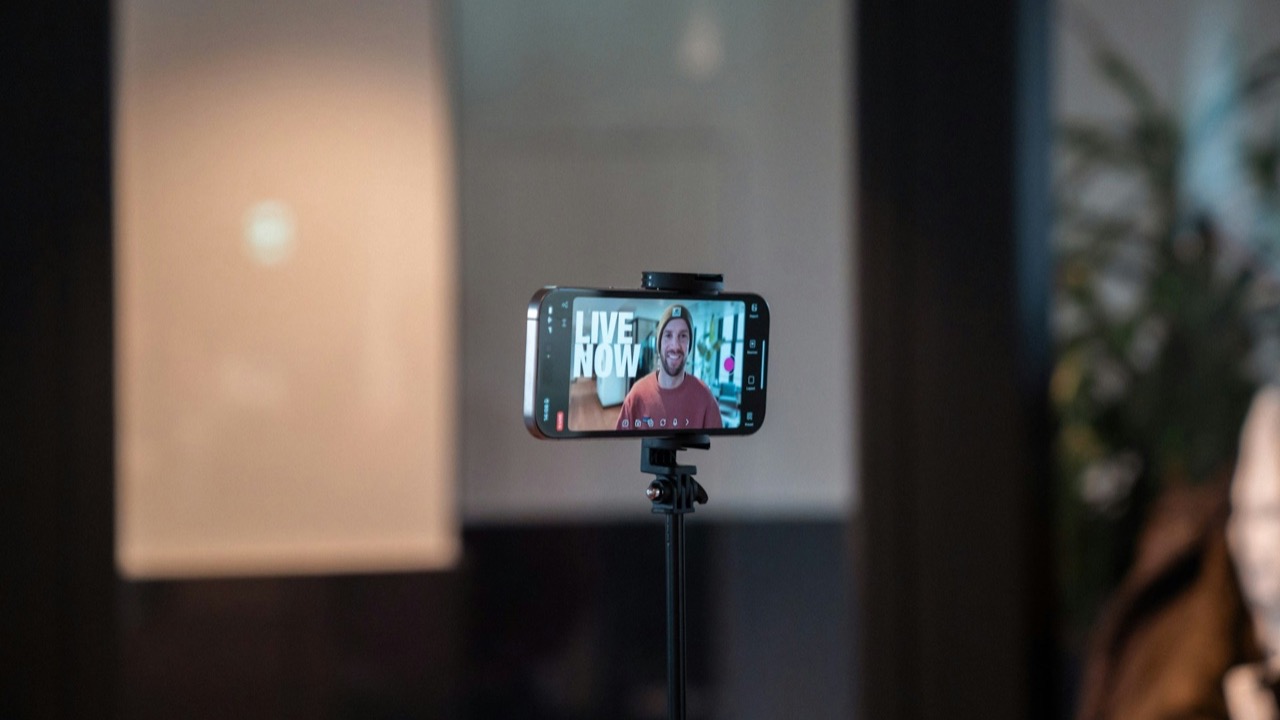
Whatnot is a live-first marketplace: buyers spend roughly 80 minutes a day in the app, and sellers did more than $8B in live sales in 2025. That attention is not spread evenly. Whatnot's feed rewards shows that hold viewers and convert them, and sellers that ship fast and cleanly. The strategies below are built from what Whatnot has actually published about discovery, auctions and seller performance — not from guesswork — with practitioner advice flagged where it is only that.
Key takeaways
- Whatnot's feed ranks on watch time and orders, plus shipping speed, refunds and cancellations. Your operations are part of your marketing.
- Schedule shows about a week out and stream consistently. Followers and bookmarkers are notified when you go live.
- Pick the auction format on purpose: standard auctions extend on late bids; Sudden Death does not.
- Giveaways drive engagement but carry strict rules — no cash, no wheels, no purchase-required entry without a free alternative.
- Retention tools are built in: Smart Bundling, coupons and Rewards Club, which lifted buyer spend 12% in Whatnot's beta.
How does Whatnot decide which shows to promote?
Whatnot has disclosed more about its ranking than most platforms. Per its discoverability guide:
- The For You feed predicts how likely a viewer is to engage, and the top predicted actions are watch time and orders.
- Feeds weigh buyer-experience signals: show quality, listing quality, shipping drop-off time, order fulfillment, refund rate and cancellation rate.
- A viewer's past interactions with you and your category count.
- Sellers who follow the Community Guidelines and keep high Trust & Safety standards get priority.
Whatnot does not publish the weights. The practical read is simple: everything that keeps people watching and buying, and everything that makes buyers happy after the sale, feeds the next show's reach.
Strategy 1: Schedule early and stream on a consistent cadence
Whatnot's Seller Academy recommends scheduling shows about a week ahead. That window gives you time to promote on social and lets viewers bookmark the show, and followers and bookmarkers are notified when you go live. Seller Hub supports repeat schedules, so a fixed weekly slot is easy to set and easy for buyers to remember.
Frequency matters. In Whatnot's 2024 seller report, 69% of surveyed sellers went live every day, and in its 2026 report, sellers averaged 23 hours a week on streaming and show management. Whatnot has published no ideal show length, so test it against your own watch-time and sales data.
Strategy 2: Prep the show so the live hour is all selling
Whatnot's own pre-show checklist:
- Pre-load listings so you can focus on the audience, not data entry.
- Write a clear title, use an eye-catching thumbnail, and pick the right category and primary brand tag — accurate tags feed ranking, and mistagging to game discovery breaks the rules.
- Run a private test stream before going live.
- Use a tripod, good lighting, and a second device to watch chat.
During the show, Whatnot's guidance is to greet new viewers, shout out returning buyers, ask viewers to follow, and keep low-volume royalty-free music under pauses so the stream never goes dead. For writing the run-of-show itself, the same principles as our live selling script guide apply.
Strategy 3: Use auction formats deliberately
Whatnot sellers can run three sales formats: Auction, Buy Now and Giveaway. Inside auctions, the choice of timer changes buyer behavior:
- Standard auctions — when fewer than 10 seconds remain, each new bid resets the clock to the counter-bid time. That favors bidding wars on high-demand items.
- Sudden Death — no time is added after a bid; the highest bid at zero wins. It creates urgency and keeps pace fast.
You set the auction length and counter-bid time, and many auctions run 30 seconds or less.
On $1 starts: Whatnot gives no official guidance. The trade-off is math. US fees start at an 8% base commission plus 2.9% + $0.30 processing (commission drops in tiers for high-volume sellers since September 2026), so a low-value item that closes at a few dollars can lose money after fees and cost of goods. A common seller rule is to start each item at the lowest price you'd actually accept, and reserve true $1 starts for items you're willing to lose on to build the room.
Strategy 4: Run giveaways inside the rules
Giveaways are the cheapest engagement lever on Whatnot, and Whatnot's Seller Academy says they boost engagement and attract new viewers. Three types exist: standard, follower-only, and Buyer Appreciation Giveaways, which reward purchases made after the giveaway starts.
The rules are strict and enforced:
- Giveaways last up to 5 minutes and Whatnot picks the winner at random.
- Disclose the prize in advance; you can't swap or withhold it based on who wins.
- You pay shipping and must ship within 2 business days.
- Banned: cash prizes, paid-entry raffles, purchase-required entry without a free alternative, and randomizer wheels (gambling policy).
Strategy 5: Borrow audiences with raids, co-hosts and multicast
- Raids. When you end your show, you can send your viewers to another live seller. Reciprocal raids with complementary sellers are the fastest organic way to reach a new room. Buying or selling raids is prohibited.
- Co-hosts. A co-host appears with their own video and audio while you keep listings, fulfillment and payouts — useful for guest experts and creator collaborations.
- Multicast. Stream simultaneously to YouTube Live, Facebook Live and Twitch (iOS and desktop). TikTok is not supported, and chat isn't aggregated.
- Referral link. Put your referral link in social bios; referred buyers get $15 off and auto-follow you.
- Paid promotion. Show Boost and Promote buy extra placement when organic reach isn't enough.
Strategy 6: Treat shipping as a growth channel
Because the feed scores shipping drop-off, refunds and cancellations, fulfillment directly drives reach. Whatnot's performance thresholds flag sellers whose on-time scan rate falls well below 80%, cancellation-free rate below 99%, or refund-free rate below 97% for an extended period.
The upside is the Premier Shop program, which earns more prominent search and recommendation placement. US criteria from September 1, 2026 include at least 95% of orders shipped and scanned within 2 business days and at least 99% defect-free orders. Insure anything worth $500 or more.
Strategy 7: Build repeat buyers with bundling and rewards
- Smart Bundling automatically combines a buyer's purchases from one show, which makes "one more item" an easy yes.
- Coupons can be shared in show notes, announcements or inbox (seller-funded).
- Rewards Club is a seller-run loyalty program with Bronze-to-Diamond tiers, tier-only shows and three-month seasons. In Whatnot's 2024 beta, it raised buyer spend 12%, seller hourly sales 12%, and repeat purchases from the same seller almost 20% (company-reported).
- Marketplace listings keep inventory selling between shows; Whatnot says items with reduced or free shipping get a tag that drives views and orders.
Mistakes that cost Whatnot sellers reach
- Shill bidding by you, staff, friends or alt accounts — penalties run from reduced discovery to a ban under the Community Guidelines.
- Giveaway violations — wheels, cash prizes, swapped prizes or purchase-required entry.
- Late shipping, cancellations and refunds, which hit account health and discovery at the same time.
- Mistagging categories or brands to chase traffic.
- Unprofitable start prices on low-value items.
The sellers at the top of Whatnot run these strategies as a system — see who they are in our list of top sellers on Whatnot. If you're still setting up, start with how to sell on Whatnot.
Frequently asked questions
How does the Whatnot algorithm decide which shows to promote?
Whatnot says its For You feed predicts how likely a viewer is to engage, with watch time and orders as the top signals. It also weighs show and listing quality, shipping speed, fulfillment, refund and cancellation rates, and Community Guidelines compliance.
Should I use Sudden Death auctions on Whatnot?
Use them for pace and urgency. In a standard auction, bids in the last 10 seconds reset the timer, which favors bidding wars on high-demand items. Sudden Death adds no time, so the highest bid at zero wins.
Are $1 starts a good strategy on Whatnot?
Whatnot gives no official guidance. After the 8% base commission and 2.9% + $0.30 processing, low closing prices can lose money, so many sellers start at the lowest price they'd accept and keep true $1 starts for items they're willing to lose on to build the room.
What are the rules for Whatnot giveaways?
Giveaways run up to five minutes with a winner picked at random by Whatnot. You must disclose the prize in advance and ship it within two business days. Cash prizes, paid entry, randomizer wheels and purchase-required entry without a free alternative are banned.
How often should I go live on Whatnot?
Consistently. Whatnot recommends a regular schedule, and in its 2024 seller report 69% of surveyed sellers went live every day. Whatnot publishes no ideal show length, so test it against your own data.